The eyewear market in 2026 is defined by a tension between maximalism and quiet luxury. From oversized acetate frames to ultra-thin titanium minimalism, here are the key trends shaping wholesale buying decisions this year.
The Eyewear Market in 2026: Two Dominant Directions
The global eyewear market continues its strong growth trajectory in 2026, with the prescription eyewear segment projected to exceed $140 billion globally. For wholesale buyers, understanding which trends are driving consumer demand is essential for making smart inventory decisions.
This year, the market is defined by a compelling tension: on one side, maximalist statement frames with bold colors and oversized silhouettes; on the other, quiet luxury minimalism with ultra-thin profiles and restrained color palettes. Successful wholesale buyers will stock both directions rather than betting on one.
Trend 1: The Return of Oversized Acetate
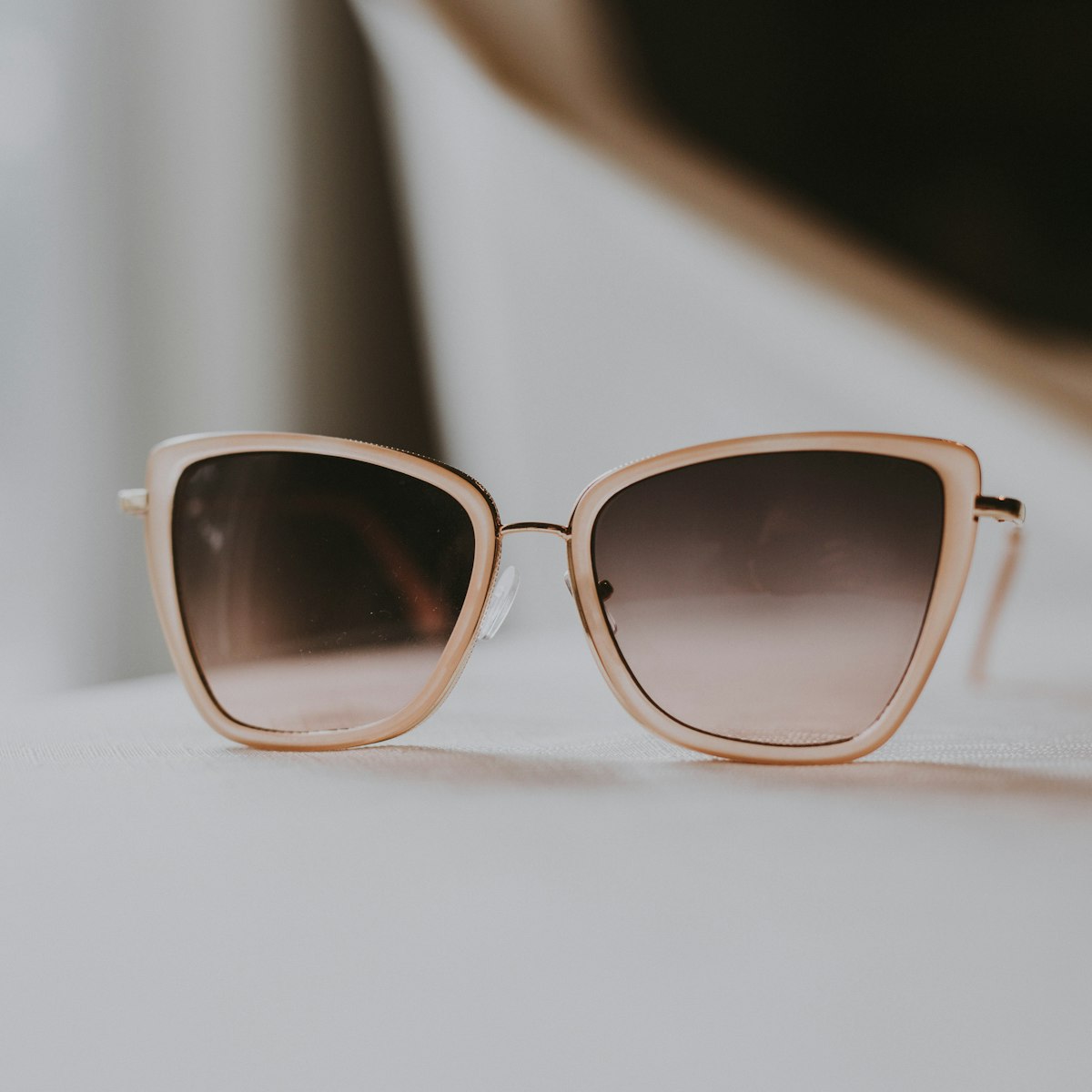
After years of slim, understated frames dominating the fashion eyewear market, oversized acetate frames are back — and bigger than ever. The key characteristics of this trend:
- Wide, thick temples with bold color combinations (tortoiseshell, deep burgundy, forest green)
- Large lens areas that provide genuine UV coverage for sunglasses
- Retro-inspired shapes: wide square, oversized round, and geometric hexagonal
This trend is particularly strong among the 25–40 demographic and is being driven by social media aesthetics and a broader cultural shift toward expressive personal style.
Trend 2: Quiet Luxury Metal Frames
At the opposite end of the spectrum, the "quiet luxury" aesthetic — characterized by understated quality and minimal branding — is driving strong demand for slim metal frames. Key characteristics:
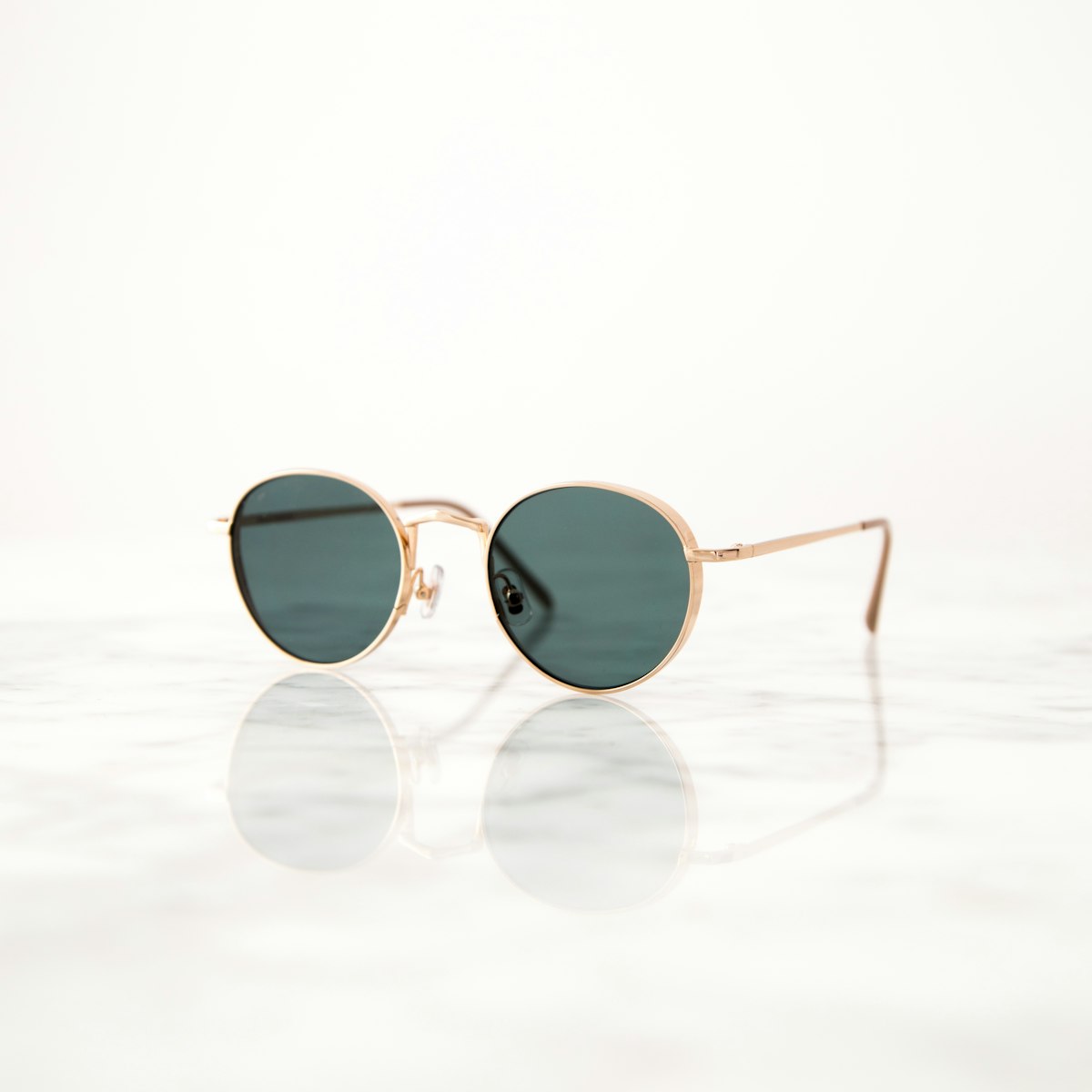
- Ultra-thin stainless steel or titanium construction
- Neutral color palette: matte black, brushed gold, gunmetal silver
- Classic shapes: oval, round, and rectangular with clean lines
- Minimal or no visible branding
This segment appeals strongly to professional adults aged 30–55 and is particularly well-suited for optical prescription frames.
Trend 3: Sustainable and Bio-Based Materials
Consumer awareness of sustainability is increasingly influencing eyewear purchasing decisions. Bio-acetate (made from cotton and wood pulp rather than petroleum-based plastics) and recycled metal frames are growing categories. For wholesale buyers, stocking a few sustainable options can differentiate your offering and command premium pricing.
Trend 4: Kids' Frames as a Fashion Category
Children's eyewear is no longer an afterthought. Parents are increasingly willing to invest in stylish, well-made frames for their children — particularly as myopia rates rise and children spend more time wearing their glasses. The trend here is toward:
- Bright, confident colors (not just primary colors, but sophisticated pastels and earth tones)
- Adult-inspired silhouettes scaled down for children
- Premium materials (TR90, flexible hinges) that justify a higher price point
Building Your 2026 Wholesale Buying Strategy
Based on these trends, a well-balanced 2026 wholesale eyewear order might look like:
- 30–40% oversized acetate (sunglasses and fashion optical)
- 25–30% slim metal (prescription optical focus)
- 15–20% TR90 kids' frames
- 10–15% classic/timeless styles (always-on sellers)
- 5–10% sustainable/bio-acetate options
JingTop Eyewear's 2026 collection covers all these categories. Request our full catalog to see 500+ styles across all trends and materials.